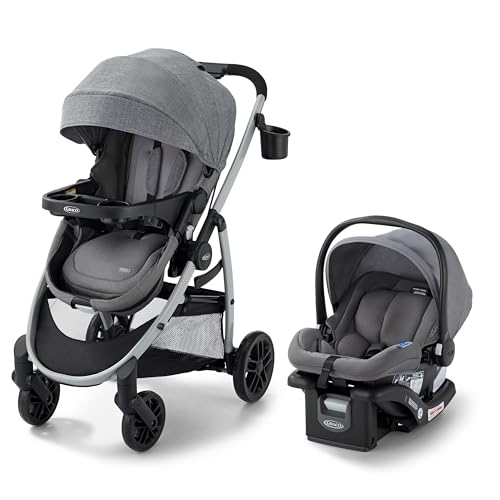
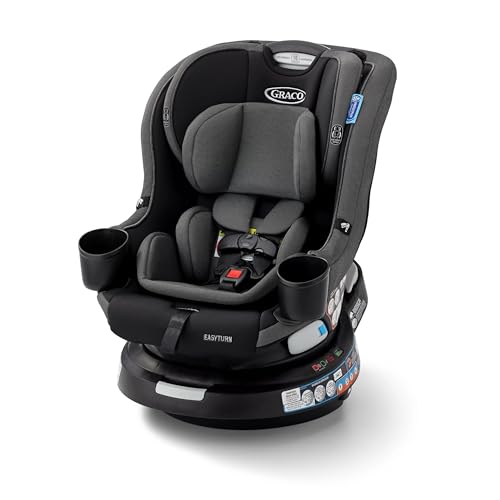
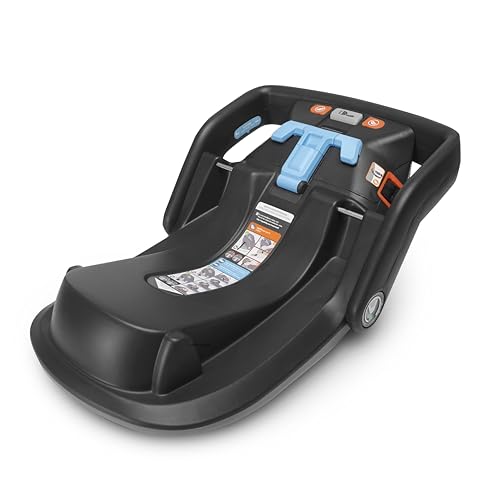
The moment your child outgrows their first infant carrier, a pressing question emerges for every parent: when is it finally safe to turn the carseat forward? It’s a milestone often met with eager anticipation, as a forward-facing view feels like a step toward growing up. Yet, this transition is not about sentiment or convenience; it is one of the most critical safety decisions you will make, with the well-being of your child riding on getting the timing exactly right.
Unfortunately, the excitement of this new stage can lead to a dangerous premature switch. Many parents turn the seat based on a child’s discomfort, perceived leg room, or simply because they have reached an arbitrary age, like their second birthday. This rush, however, ignores the fundamental physics of crash protection. A young child’s spine and neck are still developing, and in a frontal collision—the most common and severe type—a forward-facing seat places immense stress on these vulnerable areas, dramatically increasing the risk of serious injury compared to the protective cocoon of rear-facing travel.
The solution lies in steadfastly following evidence-based guidelines that prioritize development over calendar dates. The safest practice is to maximize the rear-facing position until your child reaches the maximum height or weight limit allowed by your specific carseat, which for many modern models can extend well into the preschool years. By anchoring your decision to these concrete manufacturer and safety board standards—not to milestones or impatience—you create the safest possible environment, allowing you to move forward with true confidence when the time is genuinely right.
Safety 1st Jive

Who It’s For: This is a straightforward, budget-friendly car seat for families focused on safety essentials without extra frills.
- Parents seeking a reliable, certified seat for their child’s primary vehicle.
- Families on a tight budget who prioritize core safety features over premium materials.
- Households needing a second or travel seat that’s simple to install correctly.
Core Performance: The Jive delivers on its fundamental promise of safety at an accessible price. It meets all federal standards and installs securely with both the seat belt and LATCH system. The trade-off is in daily convenience and long-term comfort.
- Provides a solid, safe base with a 5-point harness that parents can trust.
- Installation is straightforward, though the harness adjuster can be stiff.
- Build quality is functional but uses more basic fabrics and plastics.
- Padding is minimal, which may be less comfortable for longer trips.
Final Verdict: The Safety 1st Jive is a no-fuss, value-oriented car seat that gets the job done. It’s an excellent choice for cost-conscious buyers who want certified safety above all else. Consider other options if premium comfort or ultra-easy adjustments are daily priorities.
- Buy if: You need a safe, certified seat and your budget is the primary concern.
- Skip if: You frequently make long journeys or want plush, easy-to-adjust features.
Pros:
- Excellent value for money.
- Meets all federal safety standards (FMVSS 213).
- Straightforward, secure installation with LATCH or seat belt.
- Lightweight, making it easy to move between vehicles.
Cons:
- Harness adjuster can be stiff and difficult to loosen.
- Padding is minimal, reducing comfort on long rides.
Buyer’s Guide: How to Choose
Choosing the right espresso machine is about matching its capabilities to your skill level and daily routine. This guide focuses on three key factors to help you find a machine that delivers great coffee without unnecessary complexity or expense.
1. Machine Type and Your Skill Level
Your choice should align with how involved you want to be in the brewing process. Semi-automatic machines offer the most control for hobbyists who enjoy the ritual of grinding, tamping, and pulling shots. Super-automatic machines grind, tamp, and brew at the touch of a button, prioritizing convenience and consistency. Manual lever machines provide unparalleled hands-on control but require significant skill and practice.
2. Boiler System and Performance
The boiler type dictates how you can use the machine. A single boiler is cost-effective but requires waiting between brewing steam and frothing milk. Heat exchange (HX) boilers allow simultaneous brewing and steaming, ideal for milk-based drinks, though temperature management can be trickier. Dual boilers offer independent, precise temperature control for both functions, which is essential for serious enthusiasts making multiple drinks back-to-back.
3. Long-Term Usability and Cost
Consider the total cost of ownership, including maintenance. Machines with larger, serviceable components like commercial-grade group heads and brass boilers often last decades but have a higher upfront cost. Assess the availability of replacement parts and the ease of descaling. A machine with a built-in grinder adds convenience but reduces flexibility and can be a single point of failure.
Frequently Asked Questions
Q1: Is a built-in grinder a good idea?
A1: It offers convenience and saves counter space, but a separate, high-quality burr grinder typically provides better grind consistency, more adjustment, and greater longevity. For most enthusiasts, investing in a separate grinder yields better espresso.
Q2: How important is a PID controller?
A2: A PID provides precise digital temperature control, eliminating the temperature swings common in simpler thermostats. This is critical for consistency, especially with lighter roasts. It’s a valuable feature for anyone serious about refining their shot quality.
Q3: Can I make good espresso on a budget?
A3: Yes. Focus your budget on a quality grinder first. Pair it with a capable entry-level machine like a single-boiler semi-automatic. This setup can produce excellent espresso and allows you to upgrade the machine later while keeping your grinder.
Final Recommendation
For beginners seeking simplicity, a super-automatic is the best choice. Hobbyists ready to learn should choose a semi-automatic with a PID, paired with a good grinder. For households regularly serving multiple milk drinks, a dual boiler machine is worth the investment. Ultimately, your grinder is as important as the machine itself—never compromise on grind quality.