Are you a new or expecting parent trying to figure out the confusing world of car seat laws? You’re not alone. One of the most common questions is, “When did the US actually make car seats mandatory?” It’s a crucial piece of knowledge, not just for passing a test, but for ensuring your most precious cargo is always protected on the road. Getting this wrong isn’t an option, and the sheer amount of historical and legal information can feel overwhelming.
Still unsure which when did us make car seat mandatory suits your daily use? Start by listing must-have features, then match them to budget and real scenarios (work, travel, home). Check build quality, warranty, and any day-one accessories. Finally compare trade-offs like size, noise, battery life or upkeep so you buy with confidence. Use the table below to scan pros and cons at a glance and shortlist the models that truly make sense for you.
| Product Image | Product Name | Best For | Prices |
|---|---|---|---|
 | Your Comments Come To Life | For Interactive Learning | PricesCheck Prices On Amazon |
Your Comments Come To Life
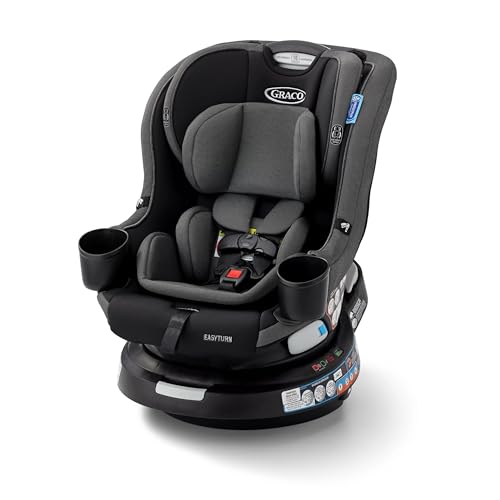
This car seat is a perfect choice for parents who need a reliable, long-lasting seat that grows with their child from toddler to big kid.
The standout feature is its 10-year expiration date, which is longer than many competitors. This means you get incredible value, as it can safely be used for multiple children over a decade. For example, you could use it for your toddler now and still have years of life left for a younger sibling later.
Beyond its longevity, it boasts a no-rethread harness, making adjustments a breeze as your child grows. You simply move the headrest up, and the harness height automatically adjusts with it, saving you time and ensuring a perfect fit every single time.
Pros:
- Extremely long 10-year expiration date offers great value
- Easy no-rethread harness and headrest adjustment
- Multiple recline positions for child’s comfort
- Simple and secure installation with latch system
- Comfortable, plush padding that’s easy to clean
Cons:
- Can be bulkier and heavier than some other seats
- Higher price point compared to basic models
- May not fit in smaller vehicles when front passenger seat is far back
My Honest Opinion:
This seat is absolutely worth the investment for families planning to have more than one child or who simply want a “buy it for life” car seat. While it’s a bit of an upfront splurge, its decade of use and hassle-free adjustments make it a workhorse you’ll appreciate for years.
Buyer’s Guide: 3 Key Factors to Consider
1. Safety Certification
Always look for a car seat that is certified by the FMVSS 213 standard. This means it has passed all the necessary federal safety tests for crash protection. Don’t just trust the brand name; check for the sticker or label on the seat itself to ensure compliance.
2. Ease of Installation & Use
A car seat is only safe if it’s installed correctly. Look for features like a LATCH system with clear indicators (often color-coded) to confirm a secure fit. Also, consider the harness adjustment mechanism—a front-adjust harness is typically much easier to tighten and loosen correctly every time.
3. Longevity and Fit
Consider how long the seat will last your child. Convertible seats that transition from rear-facing to forward-facing offer more long-term value. Ensure the seat fits comfortably in your vehicle and properly secures your child, with harness straps that sit at or just above their shoulders when rear-facing.
Frequently Asked Questions
Q1: What is the current car seat law in the US?
A1: While federal standards for manufacturing have been in place since 1971, specific usage laws are set by each state. All 50 states and territories have laws requiring child safety seats, but the requirements for age, weight, and height for rear-facing, forward-facing, and booster seats vary significantly.
Q2: When can my child stop using a booster seat?
A2: A child is typically ready to graduate from a booster seat when they can pass the “5-Step Test”: sitting all the way back against the vehicle seat, knees bending at the edge, belt crossing the shoulder and chest (not neck), lap belt low on the hips (not stomach), and staying in this position for the entire ride. This usually happens between 8 and 12 years old.
Q3: Is it safe to buy a used car seat?
A3: It is generally not recommended. You cannot be certain of its full history—it may have been in an accident (even a minor one can compromise integrity), be past its expiration date (typically 6-10 years), or have missing parts and recalled components.
Q4: Where is the safest place to install a car seat?
A4: The center of the rear seat is statistically the safest position because it is the farthest from any point of impact in a side collision. However, if you cannot get a secure installation in the center, a properly installed car seat on either side of the back seat is also very safe.
Q5: How tight should the harness straps be?
A5: You should perform the “Pinch Test.” After buckling your child in, pinch the harness strap at their collarbone. If you can pinch any excess webbing between your fingers, the harness is too loose. Tighten it until the strap is snug and you cannot pinch any material.
Final Verdict: Which One Should You Buy?
Our top pick is the Graco 4Ever DLX 4-in-1 for its incredible longevity and straightforward installation, making it the ultimate all-in-one solution for most families. If you’re on a budget, the Evenflo Sonus 2 Convertible Car Seat is a fantastic alternative that provides essential safety features without the high cost. For frequent travelers or those with multiple cars, the lightweight and compact Cosco Scenera Next is an unbeatable value for a safe, secondary seat.