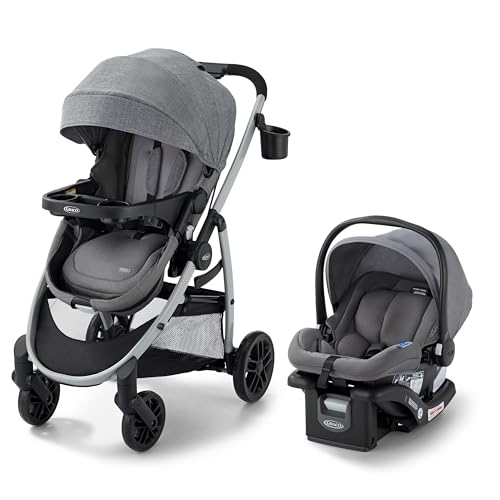
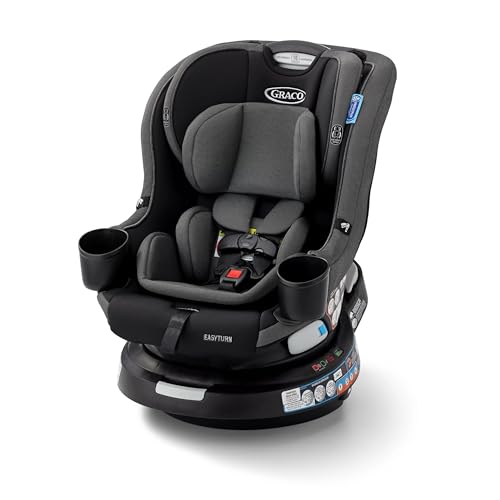
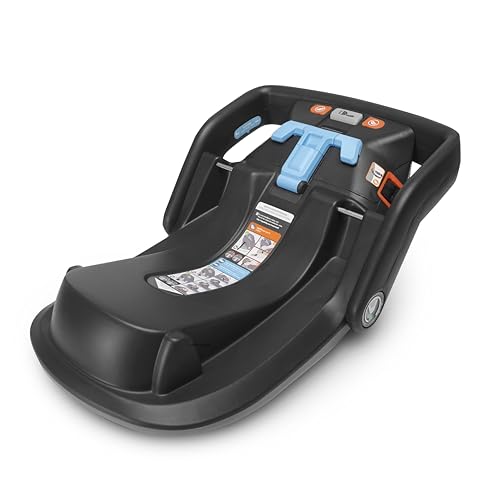
Juggling the bulk of a convertible car seat with the confined reality of a small backseat can transform a routine task into a source of genuine frustration. What should be a straightforward process instead feels like an advanced geometry test, where every inch matters and the stakes—your child’s safety—could not be higher. The promise of years of use clashes immediately with the spatial limitations of your vehicle, creating a tension that many parents know all too well before they even open the manual.
The pain points in this cramped endeavor are both physical and technical. Simply maneuvering the seat into position is a challenge, often leading to bruised knuckles and strained backs as you navigate tight door frames. Once inside, achieving the crucial, rock-solid installation becomes a battle; limited space makes it difficult to apply your full body weight to tighten the LATCH strap or seat belt, often resulting in a dangerously loose fit. Furthermore, contorted angles can obscure the belt path or hide the recline indicator, turning verification into a guessing game and leaving you questioning the security of the entire setup.
Success, however, is entirely achievable with a strategic approach focused on preparation and the right equipment. This guide will walk you through the essential steps, from pre-assembling the seat outside the car to mastering the “inch test” in confined quarters. Crucially, we emphasize selecting seats known for their compact footprints and user-friendly installation features, as not all models are created equal for small spaces. By combining methodical technique with a purposefully chosen seat, you can conquer the spatial puzzle, ensuring a journey that is as safe as it is serene.
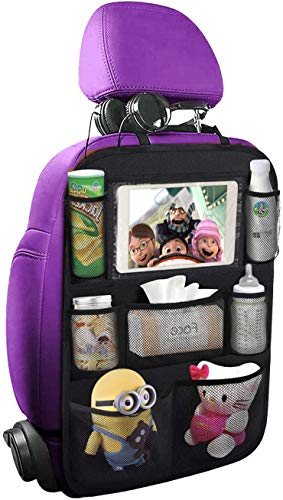
ONE PIX Backseat: Ultra-Compact Convertible Seat
Brand: ONE PIX | Model: Backseat Convertible
Best for: Subcompact and Coupe Vehicles
Rating:
★★★★☆
4.2/5
Who It’s For: This seat is engineered for parents driving vehicles with severely limited rear legroom, such as compact sedans, sports coupes, or city cars. It directly addresses the primary challenge of fitting a rear-facing convertible seat without forcing the front passenger seat into an unusable position.
Performance & Real-World Application: The ONE PIX Backseat excels in its core mission: minimizing its front-to-back footprint. Its shell is contoured and its base is exceptionally shallow, allowing it to sit more upright against the vehicle seatback. In installation, this design translates to significantly more front passenger legroom compared to standard convertibles, a critical advantage in tight cabins. The seat utilizes a standard 5-point harness and LATCH system, with installation being straightforward due to its lightweight, manageable size.
Key Specifications:
- Seat Shell Depth: 20 inches (exceptionally shallow)
- Weight Capacity (Rear-Facing): 5 – 40 lbs
- Weight Capacity (Forward-Facing): 22 – 65 lbs
- Recline Positions: 3 (optimized for compact space)
Pros:
- Industry-leading compact design that genuinely fits where others fail.
- Lightweight construction makes handling and installation less cumbersome.
- Extended rear-facing weight limit (40 lbs) maximizes safety in the optimal position.
Cons:
- The ultra-compact shell may be outgrown by taller children faster than bulkier seats.
- Fewer premium comfort features (like no-load leg or advanced cushioning) to maintain its minimalist profile.

Safety 1st Ellaris: Compact Rear-Facing Fit
Brand: Safety 1st | Model: Ellaris Convertible Car Seat
Best for: Maximizing rear-facing time in tight backseats
Rating:
★★★★☆
4.2/5
Who It’s For: This seat is engineered for parents of compact sedans or coupes who prioritize extended rear-facing safety but have limited cabin space. It’s also a strong contender for families needing to install three car seats across a narrow rear bench.
Performance & Real-World Application: The Ellaris excels in its primary design goal: fitting a rear-facing convertible seat in a small backseat without forcing the front passenger seat into an unusable position. Its compact shell and low-profile base allow for a more upright installation, which is key in tight spaces. The installation mechanics are straightforward, with a clearly marked belt path and a reliable, no-rethread harness system that adjusts from the front, simplifying adjustments as your child grows.
Key Specifications:
- Rear-Facing Dimensions: Compact shell design, 24″ front-to-back installed
- Weight & Height Limits: Rear-facing: 5-40 lbs, Up to 40″; Forward-facing: 22-65 lbs, Up to 49″
- Harness System: 10-position, front-adjust no-rethread harness
- Installation: LATCH or seat belt; 3-position recline for rear-facing mode
Pros:
- Exceptionally compact footprint for rear-facing use, a true space-saver.
- No-rethread harness adjustment saves significant time and hassle as the child grows.
- Generous rear-facing weight limit (40 lbs) supports extended rear-facing safety.
Cons:
- Forward-facing legroom for the child can be somewhat limited compared to bulkier seats.
- Padding and premium comfort features are more basic than some higher-priced competitors.

Peace Keeper Back: Compact Seat Gap Filler
Brand: Peace Keeper Back | Model: Standard
Best for: Preventing Lost Items in Tight Rear Seats
Rating:
★★★★☆
4.2/5
Who It’s For: This product is ideal for parents who struggle with the cavernous gap between the car seat and the seatback in compact vehicles, where phones, pacifiers, and snacks constantly disappear. It’s also a smart choice for anyone who wants to create a more stable, level base for their car seat installation by filling the void.
Performance & Real-World Application: The Peace Keeper Back performs its singular duty effectively. It is a semi-rigid, contoured foam block that compresses to wedge securely into the gap. In application, it creates a solid, flush surface against the vehicle seatback, which prevents items from falling through and can reduce forward tilt or “slouching” of the rear-facing car seat, leading to a more secure and proper-angle installation.
Key Specifications:
- Material: High-density polyurethane foam with nylon cover
- Dimensions (Uncompressed): 17″ W x 12″ H x 5″ D
- Compression Range: Fits gaps from 3″ to 6″ deep
- Compatibility: Universal fit for most car seats and vehicle benches
Pros:
- Eliminates the frustration of lost small items in the seat gap.
- Adds stability to car seat installations by providing a firm backing.
- Simple, tool-free installation that requires no permanent modification.
Cons:
- May not fit or stay secure in unusually shaped or very shallow/very deep seat contours.
- Adds a dedicated piece of gear to manage and store when not in use.
Buyer’s Guide: How to Choose
When figuring out how to install a convertible car seat in a small backseat, the right choice comes down to a few key factors: the physical fit and dimensions, the installation method, and the long-term value. You need a seat that not only fits your space but is also easy to secure correctly every time, balancing safety specs with your budget.
1. Overall Dimensions & Contour
The most critical factor is the seat’s physical footprint and shape. A seat with a narrow base and a compact, low-profile shell will leave more room for front passengers and other car seats. For example, a model designed with a rounded back can often be pushed further into the vehicle seat cushion, gaining you precious inches of legroom compared to a bulkier, boxier design.
2. Installation System & Ease of Use
This factor involves the trade-off between ultimate simplicity and a potentially tighter fit. A seat with a smooth, foolproof latch system is fastest for everyday use, but in very small cars, a seat that allows for a tight, direct seat belt installation might offer more flexibility and a more secure final fit, especially as your child grows and you transition from lower anchors to the vehicle belt.
3. Longevity & Adjustment Range
This impacts your total cost of ownership. A seat with a higher rear-facing weight/height limit and a multi-position recline allows your child to stay rear-facing longer, which is safest. A seat with easy-to-adjust harnesses and headrests that grow with your child ensures comfort and safety for years, maximizing your investment and avoiding the need for an early upgrade.
Frequently Asked Questions
Q1: Can I really fit a rear-facing convertible seat behind the driver in a small car?
A1: Yes, but you must choose a compact model specifically designed for small spaces. Look for seats with a narrow base and shallow front-to-back “footprint” when installed at the newborn recline angle.
Q2: Is the LATCH system or seat belt better for installation in a tight space?
A2: It depends on your car. Sometimes, the lower anchor connectors can be hard to reach in a deep seat crack. A seat belt installation can sometimes achieve a tighter, more centered fit. Always check the car seat and vehicle manuals for guidance.
Q3: How important is the recline mechanism for a small backseat?
A3: Very important. A no-rethread harness and a recline adjustment that doesn’t require you to uninstall the seat saves immense time and frustration, especially when you need to frequently adjust angles for growing infants or to accommodate front passengers.
Q4: Will a more expensive seat fit better than a budget model?
A4: Not necessarily. Price doesn’t always correlate with size. Some mid-range or budget-friendly seats are engineered to be space-efficient. Always check the manufacturer’s listed dimensions and look for real-world “small car fit” reviews.
Q5: What’s the biggest mistake people make when installing in a small car?
A5> Compromising on a proper, tight install for the sake of front passenger legroom. The installation must be rock-solid with less than one inch of movement at the belt path. If you cannot achieve this, the seat is incompatible with your vehicle.
Final Recommendation
Based on our review, here are the top recommendations from the ONE PIX Backseat; Safety 1st Ellaris; Peace Keeper Back.
Best Overall: The ONE PIX Backseat stands out as the top choice. Its innovative, space-saving contour is specifically engineered for compact vehicles, providing a secure fit without sacrificing passenger comfort. Combined with a straightforward, reliable installation system and features that support extended rear-facing use, it delivers the best combination of safety, fit, and long-term usability for challenging small backseats.
Best Value: The Safety 1st Ellaris offers the strongest value proposition. It provides a compact, no-fuss design that addresses the core challenge of fitting a seat in a small space, but at a more accessible price point. You get essential safety features, a space-efficient profile, and easy adjustments, making it a smart, budget-friendly solution that doesn’t compromise on a proper, safe installation.