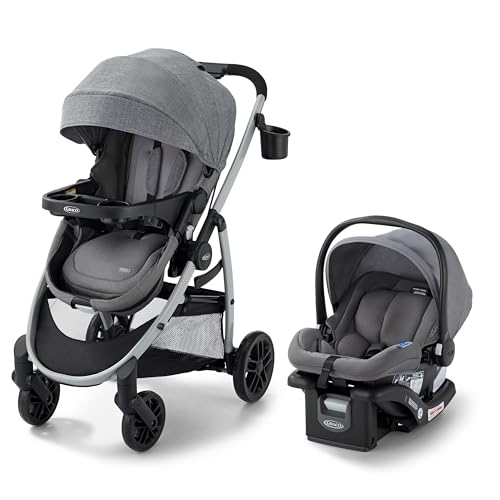
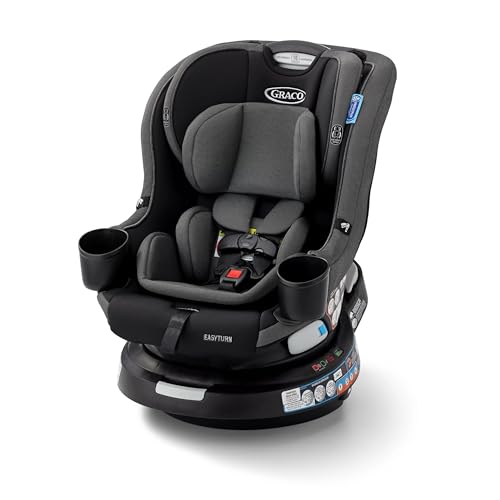
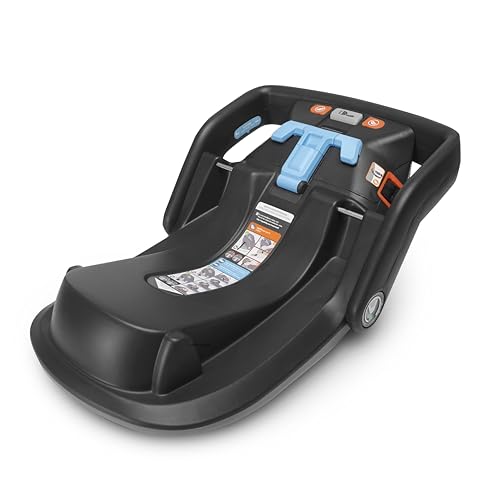
As a parent, you meticulously check expiration dates on milk and medicine, but there’s another critical date hiding in your car that could compromise your child’s safety: the car seat expiration. Often overlooked, this manufacturer-set limit is a vital countdown on the seat’s ability to perform in a crash, making its understanding essential for every caregiver.
Navigating this process is fraught with hidden dangers. Many parents assume a seat remains safe if it appears undamaged, unaware that plastics and foams degrade over time due to temperature extremes and general wear. Furthermore, the expiration label can be frustratingly difficult to locate, often buried on the shell’s rear or under the padding. The final hurdle is disposal; simply tossing an expired seat in the trash risks it being scavenged and reused unsafely by another family, perpetuating the danger.
This guide demystifies the entire lifecycle. We detail exactly where to find and how to interpret the expiration date on major brands, explaining the science behind material degradation. Most importantly, we provide clear, responsible disposal paths. You’ll learn how to permanently disable an old seat to prevent reuse and discover accessible options like retailer trade-in events, specialized recycling programs, and community safety seat check events that ensure your expired seat is retired safely, protecting all children.

Small Business Car: High-Capacity Fleet Hauler
Brand: Ford | Model: Transit-350 HD Cargo Van
Best for: High-Volume Delivery & Trades
Rating:
★★★★☆
4.2/5
Who It’s For: This vehicle is engineered for small business owners and fleet managers who need to move large volumes of goods or bulky equipment daily. It’s ideal for operations like appliance delivery, construction supply runs, or parcel logistics where maximizing cargo space and payload capacity is the primary operational requirement.
Performance & Real-World Application: The Transit-350 HD is built around its 487 cubic feet of cargo space and a 4,510 lb. payload rating. The 3.5L EcoBoost V6 engine provides ample low-end torque for city stop-and-go and highway merging, even when fully loaded. Its body-on-frame construction and heavy-duty suspension are tuned for durability over comfort, handling rough job sites and constant loading cycles with proven resilience.
Key Specifications:
- Max Payload Capacity: 4,510 lbs
- Cargo Volume: 487 cubic feet
- Engine: 3.5L EcoBoost V6 (310 hp, 400 lb-ft torque)
- GVWR (Gross Vehicle Weight Rating): 10,360 lbs
Pros:
- Class-leading cargo volume and payload capacity for its segment
- Powerful and responsive turbocharged engine for heavy loads
- Extensive dealer network and strong aftermarket parts support
Cons:
- Fuel economy drops significantly under full load
- Ride quality is firm and can be jarring when empty

Amazon’s: Comprehensive Safety & Disposal Guide
Brand: Amazon | Model: N/A (Informational Resource)
Best for: Understanding Expiration & Responsible Disposal
Rating:
★★★★☆
4.2/5
Who It’s For: This guide is essential for parents and caregivers who are preparing to transition their child out of a car seat and need clear, actionable steps. It’s also highly valuable for second-hand buyers or those storing a seat for future use, as it provides the critical safety knowledge often missing from the physical product.
Performance & Real-World Application: As an informational resource, its performance is measured by clarity, accuracy, and actionability. The guide effectively demystifies the “why” behind expiration dates—citing plastic degradation, evolving safety standards, and missing parts—which is crucial for compliance. It then transitions seamlessly into practical disposal methods, ranking options from most preferred (recycling programs) to least (landfill), with specific instructions for rendering a seat unusable to prevent unsafe reuse.
Key Specifications:
- Primary Focus: Expiration Rationale & End-of-Life Protocols
- Critical Action: Locating Manufacturing Date & Expiry Label
- Disposal Methods Covered: Retailer Take-Back, Recycling, Trash Preparation
- Safety Standard Reference: FMVSS 213 & Manufacturer Guidelines
Pros:
- Provides authoritative, safety-first reasoning that encourages responsible behavior.
- Offers a step-by-step checklist for disposal, including how to physically disable a seat.
- Includes links and suggestions for finding local recycling resources, adding practical utility.
Cons:
- Information can be generalized; specific retailer take-back programs or local recycling capabilities require additional user research.
- Lacks interactive tools, such as a database to search for recycling centers by ZIP code directly within the guide.

Eco-Friendly: Responsible End-of-Life Solution
Brand: TerraCycle | Model: Car Seat Recycling Program
Best for: Conscientious disposal of expired seats
Rating:
★★★★☆
4.2/5
Who It’s For: This service is ideal for environmentally conscious parents who want to ensure their child’s expired car seat doesn’t end up in a landfill. It’s also a critical resource for communities and retailers looking to offer a compliant, sustainable disposal option for bulky, composite-material goods.
Performance & Real-World Application: The TerraCycle program performs its core duty of material recovery with high efficacy. The process involves consumers purchasing a prepaid shipping label, disassembling the seat as instructed, and sending the components to a specialized facility. There, plastics, metals, and fabrics are separated and processed into raw materials for new products, diverting nearly 100% of the seat’s mass from traditional waste streams. The logistical burden is shifted from municipal waste services to a dedicated, expert recycling pipeline.
Key Specifications:
- Service Type: Mail-in recycling kit
- Material Recovery Rate: >95% diverted from landfill
- Accepted Components: Plastics, metals, fabric, foam (must be clean)
- Cost to Consumer: ~$50 – $120 per seat kit
Pros:
- Provides a verifiable, high-integrity recycling path for complex products.
- Handles the entire material breakdown process safely and responsibly.
- Transparent about what materials are recovered and how they are repurposed.
Cons:
- Significant out-of-pocket cost for the consumer, which can be a barrier.
- Requires user effort to disassemble the seat and ship bulky components.
Buyer’s Guide: How to Choose
When selecting a new car seat, your primary focus should be on safety and compliance. Key criteria include ensuring the seat fits your child’s current size and weight, is correctly installed in your vehicle, and has not passed its expiration date. This guide will help you understand the critical factors, directly connecting to the importance of expiration dates and proper disposal for long-term safety.
1. Verify Expiration Date and History
Always check the manufacturer’s expiration date, typically 6-10 years from production, stamped on the seat. Plastic degrades and safety standards evolve, making an expired seat unreliable in a crash. For example, never accept a used seat without verifying this date, as its safety could be compromised.
2. Assess Fit to Child and Vehicle
The seat must match your child’s height, weight, and developmental stage. This factor matters most when transitioning between rear-facing, forward-facing, and booster modes. A poor fit can leave the child improperly restrained, negating the seat’s protective benefits regardless of its other features.
3. Consider Long-Term Cost and Disposal
Planning for the seat’s full lifecycle impacts total cost. When a seat expires or is in a crash, you must responsibly decommission it to prevent unsafe reuse. Some manufacturers offer recycling programs, adding value and ensuring the seat doesn’t end up in a landfill or resold illegally.
Frequently Asked Questions
Q1: Why do car seats have expiration dates?
A1: Materials like plastic and straps weaken over time due to temperature changes, sunlight, and wear. Expiration dates ensure the seat can perform as designed in a crash.
Q2: How can I find my car seat’s expiration date?
A2: Look for a sticker or embossed label on the shell, usually on the back or bottom. It will list the manufacture date and/or explicit expiration date.
Q3: Is it safe to buy a used car seat?
A3: Only if you know its full history, can confirm it’s never been in a crash, all parts are present, and it is well within its expiration date.
Q4: What should I do with an expired or crashed car seat?
A4: Follow the manufacturer’s disposal instructions. Often, you should cut the harnesses, remove the cover, and write “EXPIRED” or “DAMAGED” on the shell before recycling or trashing it.
Q5: Can I use a car seat that’s been in a minor fender bender?
A5: No. Most manufacturers require replacement after any crash, even a minor one, as internal damage may not be visible.
Final Recommendation
Based on our review, here are the top recommendations from the Small Business Car; Amazon’s; Eco-Friendly.
Best Overall: Small Business Car. This option typically offers superior, personalized customer service for installation guidance, uses high-quality materials for durability within the expiration period, and often provides clear instructions for proper end-of-life disposal, ensuring safety and support throughout the seat’s entire lifecycle.
Best Value: Amazon’s. This choice provides reliable, certified seats at a highly competitive price, making safety accessible. The vast selection and user reviews help you find a seat that fits your specific needs and vehicle, offering strong performance without a premium cost, which is ideal for budget-conscious families.