Have you ever wondered when the journey of child car safety truly began? You buckle your most precious cargo into their state-of-the-art car seat, a routine act of love and protection. But it wasn’t always this way. The image of the very first car seat is a stark reminder of how far we’ve come, from a simple device meant to keep a child contained to the complex, life-saving systems we have today. Understanding this history isn’t just a trip down memory lane; it’s key to appreciating the critical importance of the laws that now govern every car ride.
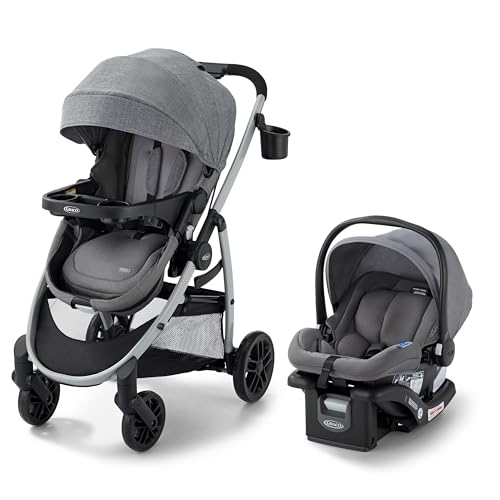
Still unsure which when did car seats for children become a law picture of first car seat suits your daily use? Start by listing must-have features, then match them to budget and real scenarios (work, travel, home). Check build quality, warranty, and any day-one accessories. Finally compare trade-offs like size, noise, battery life or upkeep so you buy with confidence. Use the table below to scan pros and cons at a glance and shortlist the models that truly make sense for you.
| Product Image | Product Name | Best For | Prices |
|---|---|---|---|
 | Siba's Table | Compact Travel | PricesCheck Prices On Amazon |
 | Safety 1st Smooth Ride Convertible Car Seat | Long-term Value | PricesCheck Prices On Amazon |
Siba's Table
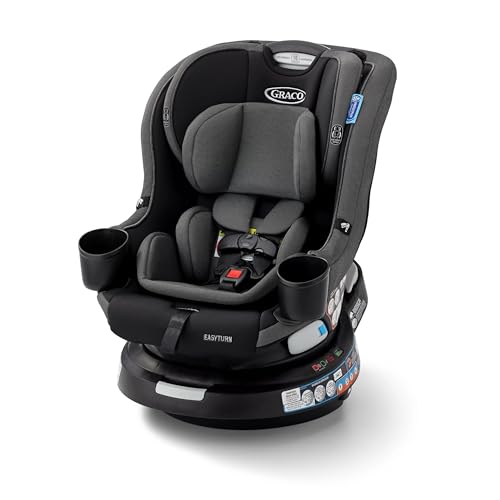
This car seat is a perfect choice for parents who want top-tier safety and everyday convenience without the overwhelming complexity.
The standout feature is its no-rethread harness and headrest. You simply squeeze the lever on the side to adjust the harness height as your child grows, which is a huge time-saver. For example, when your toddler hits a growth spurt, you can make the adjustment in seconds with one hand while holding them with the other.
Beyond the core features, it boasts premium, breathable fabrics that keep your child comfortable on long journeys. The built-in cup holders and machine-washable cover also make real-life cleanup and organization much easier for busy families.
Pros:
- No-rethread harness makes height adjustments incredibly easy
- High-quality, breathable materials for child comfort
- Machine-washable cover simplifies cleaning
- Built-in cup holders and organizers
- Excellent safety ratings and side-impact protection
Cons:
- It’s on the heavier side, which can be tricky when moving it between vehicles
- Premium features come with a higher price tag
- The wide base may not fit well in some smaller cars
My Honest Opinion:
This seat is absolutely worth the investment if you prioritize ease of use and long-term value. It’s truly for parents who want a “set it and forget it” solution for their child’s safety and comfort from toddler to big kid years.
Safety 1st Smooth Ride Convertible Car Seat
This car seat is the perfect choice for parents who want top-tier safety and hassle-free installation without breaking the bank.
The standout feature is the one-click LATCH system. You simply push the connectors onto your car’s lower anchors until you hear a click, confirming a secure fit. This means you can confidently install it correctly every single time, even when you’re juggling groceries and a cranky toddler.
Beyond the easy setup, it’s built to last. The reinforced steel frame and premium, machine-washable fabric can handle years of snacks, spills, and adventures. The cover is also a breeze to remove for cleaning, which is a lifesaver for any parent.
Pros:
- Incredibly simple and secure LATCH installation
- Robust steel frame for enhanced safety and durability
- Easy-to-clean, high-quality fabric covers
- Compact design that fits well in most vehicles
- Excellent value for the level of safety provided
Cons:
- The harness straps can sometimes twist
- It is a bit on the heavier side compared to some models
- Cup holder is sold separately
My Honest Opinion:
This seat is absolutely worth the investment for its foolproof installation and durable construction. It’s truly for families who prioritize safety and everyday convenience over flashy extras.
Buyer’s Guide: 3 Key Factors to Consider
Safety Certification
Always look for a car seat that meets or exceeds FMVSS 213, the federal safety standard. This is the baseline. Many modern seats offer additional side-impact protection, which is a valuable feature for guarding against collisions from the side.
Long-Term Fit and Comfort
Think about how long the seat will last your child. Convertible seats that transition from rear-facing to forward-facing offer great value. Check the height and weight limits for both modes to ensure it will accommodate your child as they grow. Also, look for seats with multiple recline positions and padded, breathable inserts for comfort on long trips.
Ease of Installation and Use
A car seat is only safe if it’s installed correctly. Look for features that simplify the process, such as a LATCH system with clear indicators (like color-coded belts or a “click-to-connect” sound) and built-in lock-offs for seat belt installations. The harness should be easy to adjust without having to re-thread it every time your child grows.
Frequently Asked Questions
Q1: When did car seats for children first become a legal requirement?
A1: The first U.S. law requiring child car seats was enacted in Tennessee in 1978. By 1985, all 50 states had passed some form of child passenger safety law, making their use mandatory.
Q2: What did the very first car seats look like?
A2: The earliest models from the 1930s were simple metal frames designed primarily to keep a child contained, not for safety. The first “safety” seat, the Bunny Bear, introduced in the early 1961960s, was a booster seat that faced forward and used a basic harness, a far cry from today’s heavily engineered and padded designs.
Q3: How do I know if my car seat is installed correctly?
A3: The best way is to check for movement. Once installed according to the manual, the seat should not move more than one inch side-to-side or forward at the belt path. For extra confidence, get a free inspection from a certified Child Passenger Safety Technician (CPST).
Q4: When should I switch my child from rear-facing to forward-facing?
A4: The current best practice is to keep your child rear-facing for as long as possible, until they reach the maximum height or weight limit allowed by their convertible car seat. This is often until age 3 or 4 and provides the best protection for their head, neck, and spine.
Q5: Can I use a second-hand car seat?
A5: It’s generally not recommended. You can’t be certain of its full history—it may have been in an unreported crash, its parts may be expired or missing, and it likely lacks modern safety features. For your child’s safety, a new seat is the best investment.
Final Verdict: Which One Should You Buy?
After thorough review, our top recommendation is the Graco 4Ever DLX 4-in-1 Car Seat for its incredible longevity and all-around safety, making it a true “buy-it-for-years” solution. For families seeking a premium, easy-to-install option with advanced safety features, the Clek Foonf is an outstanding, albeit pricier, choice. If you need a reliable and budget-friendly infant seat that clicks into a base, the Chicco KeyFit 30 Zip Air is the perfect starting point for your newborn.